

May 5, 2026
by
Gabriella Smith
.svg)
Publish Date
January 28, 2026
Social Handle
.svg)
.svg)


Why building in winter is a common concern
Building in the winter can sometimes be a cause for concern. The weather is often unpredictable, and the days are shorter, making it a lot harder to plan for. Customers frequently ask whether they should wait until the warmer months to start a project or whether there will be weather-related delays. We would love to tell you this wasn’t the case, but the honest answer is – yes. However, with proper project management and open communication, delays can be minimised, and customers can continue with their building project worry-free.
In this blog, we cover what could affect your building project and how Elmtree plans to reduce the implications of building in the winter.

How winter weather can affect building work
As we all know far too well, the weather in the UK can be unpredictable at the best of times, and the winter periods even more so. Cold temperatures and shorter days both have a big impact on the way building work can be carried out, but how exactly?
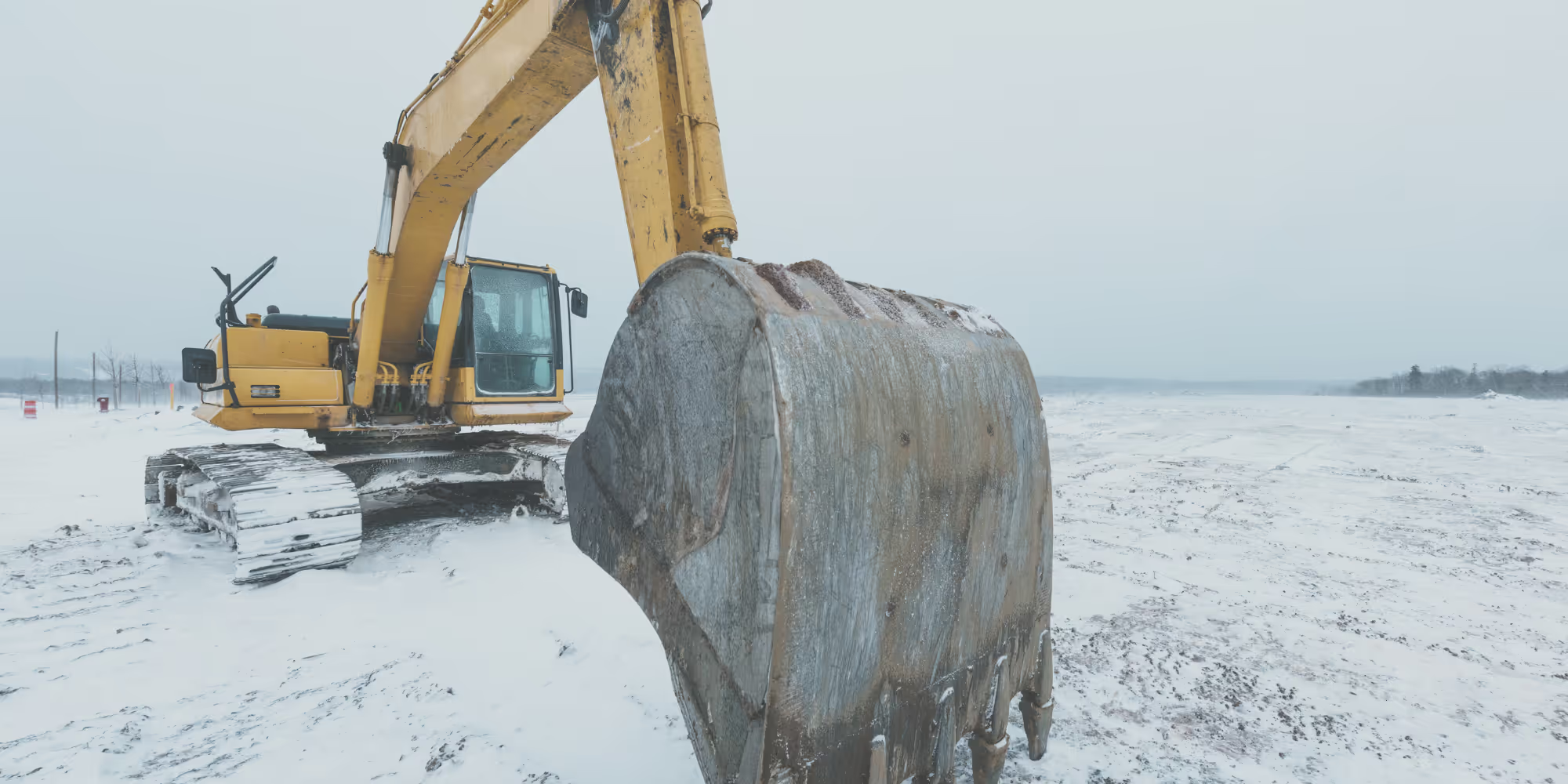
Rain and ground conditions – Heavy rain can cause ground conditions to become hazardous due to flooding. Slippery surfaces make carrying materials or working machinery unsafe, and waterlogged soil often weakens foundations, leading to long-term issues.
Cold temperatures and materials - When it comes to building foundations and laying bricks, temperature can have a big impact. To lay foundations effectively and safely, temperatures must be no lower than 4degrees. Anything below 4 degrees and bricks begin to freeze, increasing the risk of chipping and slowing the pace of mortar hardening, leading to potential failure.
Shorter days – Shorter days mean fewer sunlight hours. To safely carry out a building project, sites must be well-lit to avoid accidents or mistakes. This means more must be done in a shorter timeframe, which can cause delays.
What work can still happen during the winter?
Our workshop allows us to prefabricate timber frame elements in the dry, reducing the impact of cold, rainy days. This means we can carry on working during the winter by planning and manufacturing as much as possible before ever needing to be outside.
Prefabrication at a separate location also eliminates materials having to hang around the site until the core first steps have been completed. Groundworks can then be carried out as and when the weather is dry, alongside work being completed in the workshop, ensuring your site is kept as clear as it can be, even on muddy days.
For jobs that don’t involve being outside, work can carry on as usual. Plastering, decorating and inside renovations such as kitchen and bathroom transformations won’t be affected by any changes in the weather.

Planning and flexibility are key
Open communication with customers is key to a successful building project, and the winter months are no exception. Clear planning and realistic scheduling are crucial, which is why we take the project management stage of every build seriously. Continuous monitoring allows us to anticipate where and when delays may take place due to weather issues and adapt any schedule of works accordingly. Ahead of work starting, we will always cover the potential that our schedule of work may change in our first meeting with customers. This keeps an honest line of communication open with our customers, so they are always as up to date with progress as we are.
Protecting your home during winter works
We have carried out many projects during the winter months, and with careful protection, we have been able to continue work without causing damage to the existing home.
Where possible, we use the dry-in strategy. We focus on getting the structure to a point where it’s contained and covered so the site is protected from inclement weather. If this isn’t possible, tarps and temporary coverings are used to keep rain and wind out. Protecting the site ensures not only that the project is safe, but your home is protected too. More protection means less mess and a lower likelihood of damage to materials, both new and existing.
When winter can be a good time to build
Calendars free up around the wintertime as customers often ask for work during the warmer months, so our diaries frequently get booked. We also often need to use gardens for access during builds, which can cause disruption during the summer months. If you’re looking for a project to start quickly, with minimal disruption, why not start your project in the colder months so that you don’t have to wait around and can make the most of your new home in the summer?
What homeowners should consider before starting a winter build?
First and foremost, you should strongly consider the builder you choose. The more time you take picking an experienced builder, the less time you will need to spend worrying about the other stuff.
We understand starting a project during the winter can come with worries, but we’re here to eliminate them. We ensure clear lines of communication are kept, and your questions are always answered as clearly and honestly as possible. From the outset, you’ll be informed of potential weather-related delays, and we will try to be as flexible as we can be as long as you can be too.
Final thoughts: experience matters
We understand that every project is different, and the winter weather can at times make things difficult – but with honest, open communication and efficient project management, your work can still carry on. If you’re thinking about starting a new project and want to chat about how winter weather could affect you, we’re happy to help.
May 5, 2026
by
Gabriella Smith

February 25, 2026
by
Gabriella Smith
January 28, 2026
by
Gabriella Smith
Get in touch today and let's arrange a free visit.